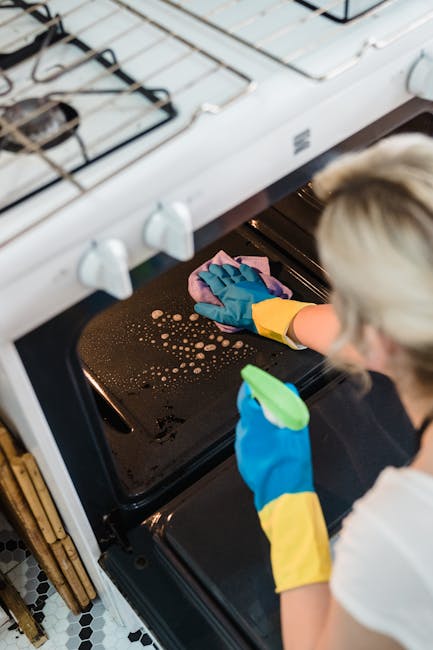
Avoid hidden charges for oven cleaning in Ealing
If you have ever booked a clean and then seen the final bill creep up, you already know how annoying hidden charges can be. Oven cleaning is one of those jobs where the price should feel straightforward, but sometimes it does not. In Ealing, where homes range from compact flats to busy family kitchens, it pays to know exactly what is included before anyone starts scrubbing. This guide explains how to avoid hidden charges for oven cleaning in Ealing, what to ask before booking, and how to compare quotes without falling into the usual traps.
Truth be told, most pricing problems are preventable. A clear quote, a few sensible questions, and a bit of attention to the small print can save you a lot of hassle later. Let's get into the practical stuff.
Why Avoid hidden charges for oven cleaning in Ealing Matters
Hidden charges are more than just an irritation. They make it hard to compare providers fairly, and they can turn a simple booking into a back-and-forth conversation nobody wants. In oven cleaning, the price can change depending on condition, size, number of racks, extractor fans, or whether the oven has not been cleaned in years. That is fine if it is explained clearly. It is not fine if it appears only after the job is done.
For Ealing households, this matters because people often book around work, school runs, move-in dates, or tenancy deadlines. If you are trying to fit a clean into a packed week, the last thing you need is a surprise call asking for more money because "it was a bit worse than expected." To be fair, ovens do vary. A lightly used single oven is not the same as a greasy range cooker with trays that have been baked on for months. But a reputable service should explain the variables up front.
There is also a trust factor. Clear pricing usually reflects clear communication elsewhere: arrival times, service scope, safety, payment terms, and complaint handling. If you are already comparing pricing and quotes, you are on the right track. The goal is not just a cheap number. It is a price you can actually rely on.
Expert summary: The best way to avoid hidden charges is simple: confirm the exact service scope, ask what could trigger extra fees, and make sure the quote is written in plain English before you book.
How Avoid hidden charges for oven cleaning in Ealing Works
The process is less complicated than many people think. It usually starts with a quote request, followed by a few details about the oven, access, and condition. A good cleaner will use that information to give an estimate that reflects the actual work involved. If the job is standard, the price should stay fixed. If something unusual could affect the cost, that should be explained before anyone turns up with cloths and degreaser.
In practice, the most transparent oven cleaning bookings usually work like this:
- You describe the appliance honestly, including whether it is a standard oven, double oven, range cooker, or oven with a separate hob.
- You mention any obvious issues, such as heavy grease build-up, burnt-on food, broken lights, or inaccessible fittings.
- The cleaner explains what is included, what is excluded, and whether any extras may apply.
- You receive a quote or price range that makes the assumptions clear.
- The job is completed, and the final price matches the agreed terms unless you changed the scope on the day.
That is how it should work, anyway. If a company is vague, pushes for a booking without questions, or avoids naming the extras, be cautious. A solid provider should be comfortable explaining their process and directing you to pages like the terms and conditions and payment and security information so you know how the booking is handled.
One thing people often miss: an accurate quote is not just about honesty, it is also about efficiency. When the cleaner knows what to expect, they can bring the right tools and plan the time properly. Less guesswork. Fewer awkward surprises. Better job all round.
Key Benefits and Practical Advantages
Keeping the price transparent has a few very real benefits, and they go beyond saving money.
- Budget control: You know what you are paying before the clean starts, which makes household planning much easier.
- Less stress: No one enjoys arguing over a final invoice at the door.
- Better comparisons: You can compare providers on like-for-like terms, not just headline prices.
- More trust: Clear pricing often goes hand in hand with better service standards.
- Faster decisions: If the quote is clear, you can book with confidence instead of dithering for two days.
There is also a quality angle. Providers that price properly tend to know their job well. They understand what a clean oven actually requires and where the time goes. That usually means they are less likely to rush or cut corners. Not always, of course, but often enough to notice.
If you are planning broader home care as well, it can help to think of oven cleaning as part of a wider maintenance rhythm. Services like domestic cleaning or deep cleaning may be relevant if your kitchen or property needs more than just one appliance refreshed.
Who This Is For and When It Makes Sense
This topic matters to almost anyone booking a professional oven clean, but some people need it even more.
Homeowners often want a cleaner, more efficient oven without paying for vague extras. If you cook regularly, grease and carbon build-up can sneak up on you. One day the glass looks fine; a week later, it is cloudy and stubborn.
Tenants and landlords need clear pricing because move-out deadlines are usually tight. If you are arranging an end-of-tenancy clean, knowing exactly what the oven service includes can prevent disputes later. A good starting point is to review end-of-tenancy cleaning if the oven is only one part of a larger exit clean.
Busy families tend to benefit most from fixed, transparent charges. There is enough going on already. School bags, dinner, laundry, life. Hidden charges are just one more thing to chase.
Property managers and letting agents also need reliable pricing because they are often comparing multiple properties at once. A quote that looks low but adds fees for trays, racks, or heavy build-up can distort the whole budget.
Older or specialist appliances can make pricing more nuanced. That does not mean charges should be hidden. It means the cleaner should ask the right questions before quoting.
And yes, it makes sense to use a professional even when the oven is "not that bad." Sometimes that is exactly when people underestimate the effort. A bit of baked-on residue can turn into a longer job than expected. We have all done the optimistic glance-and-close-the-door move. No judgement.
Step-by-Step Guidance
If you want to avoid hidden charges for oven cleaning in Ealing, the easiest approach is to treat the booking like a mini checklist, not just a quick phone call.
1. Describe the oven properly
Say what type it is: single oven, double oven, range cooker, or fan-assisted model. Mention whether there is a separate grill, hob, or extractor fan that you want cleaned too. If the cleaner only knows "it's a normal oven," they may have to make assumptions.
2. Be honest about condition
It is tempting to minimise the mess. Everyone does it. But if the oven has heavy grease, burnt-on spills, or missing shelves, the price may change. Better to say it now than negotiate later.
3. Ask what is included
Ask directly: does the quote include shelves, racks, glass, doors, seals, knobs, trays, and the interior cavity? Does it include the hob or hood? Sometimes the difference between a good deal and a bad one is one small excluded item.
4. Ask what counts as an extra
Examples include severe carbon build-up, unusually large appliances, non-standard access, broken components, or a long gap since the last clean. If there are possible extra fees, ask for them in advance.
5. Get the price confirmed in writing
This does not need to be dramatic. A written message, quote form, or booking confirmation is often enough. The point is to avoid "I thought that was included."
6. Check payment terms
Know when payment is due, which methods are accepted, and whether any deposit is needed. That is where payment and security guidance becomes useful.
7. Review the policy pages if you want reassurance
If you are booking for the first time, it is perfectly reasonable to read a company's about us, insurance and safety, and complaints procedure pages. That tells you a lot about how seriously they take the work.
Expert Tips for Better Results
Here is the slightly nerdy bit, but in a useful way.
Tip 1: Ask for a "fully inclusive" quote. That phrase encourages clarity. It prompts the cleaner to tell you exactly what the price covers. Not everything is automatically included, and that is where misunderstandings start.
Tip 2: Send photos if the provider allows it. A few well-lit photos of the oven interior, door glass, and trays can make a big difference. Morning light is best, oddly enough. You can see the crusty bits more clearly, which is precisely what you want before pricing.
Tip 3: Check whether the cleaner prices by appliance type or condition. Some teams price based on oven size. Others use condition bands. Neither is wrong, but you should know which model is being used.
Tip 4: Ask about access and parking. In parts of Ealing, parking can affect arrival planning. If there are access issues, stairs, or permit requirements, mention them early so they do not become a hidden charge later.
Tip 5: Look at the business as a whole. A transparent provider is usually transparent everywhere. Their service pages, policy pages, and quote process should feel consistent. If you also need other help around the home, browsing pages like house cleaning or one-off cleaning can give you a sense of the wider service range.
Small thing, but worth saying: do not be embarrassed to ask a "basic" question. Basic questions save money. Fancy questions do not always. Funny how that works.
Common Mistakes to Avoid
Most pricing headaches come from the same handful of mistakes.
- Choosing only on the lowest headline price. A very cheap quote can be fine, but if it is missing key items, it is not really cheaper.
- Assuming oven trays are included. This is a common one. Always ask.
- Not mentioning heavy build-up. If the oven has not been cleaned in ages, say so. The cleaner needs the truth, not a hopeful version of it.
- Ignoring the small print. It is not exciting reading, granted. But it can save you money.
- Failing to confirm the final price for extra work. If you ask for the hob, extractor, or microwave to be added on the day, make sure you agree the extra charge first.
- Not checking who is responsible for rescheduling or cancellations. If your plans change, you want to know the rules before the appointment day.
Another common issue is misunderstanding the difference between an estimate and a fixed price. An estimate is an informed guess; a fixed price is an agreed charge. They are not the same thing. Worth keeping that straight.
Tools, Resources and Recommendations
You do not need a toolkit to avoid hidden charges, but a few practical tools help.
- Your phone camera: Take clear photos of the appliance before requesting a quote.
- A notepad or notes app: Write down what has been included and what is extra.
- The provider's quote page: A page like pricing and quotes should help you understand how the business structures its charges.
- Policy pages: Safety, payment, and complaint information matter more than people think.
- Your tenancy paperwork, if relevant: This helps you check whether you need a specific end-of-lease standard.
For broader cleaning needs, you may also find it useful to look at related services such as cleaning company, cleaners, or home cleaners if you are coordinating more than one job. Just make sure you stay focused on the service you actually need, otherwise you can end up overbuying. Happens all the time.
Practical recommendation: keep a simple "quote comparison" note with three columns: what is included, what could cost extra, and when payment is due. It sounds a bit school-ish, but it works.
Law, Compliance, Standards, or Best Practice
For domestic cleaning and oven cleaning, the main issue is usually not a special law about oven pricing. It is more about fair trading, clear communication, and safe working practice. In plain English: customers should not be misled, and service terms should be easy to understand.
Good practice in the UK typically includes:
- clear pre-booking information about scope and pricing
- honest descriptions of what is included
- transparent handling of deposits, balances, and additional work
- safe use of cleaning products and equipment
- appropriate insurance and a process for complaints or corrections
That is why pages such as terms and conditions, insurance and safety, and health and safety policy matter. They are not just formalities. They tell you the company has thought through the practical side of the work.
If you are ever unsure, ask for plain-language clarification. A trustworthy provider should be happy to explain the basics without making you feel awkward. And if they are not, well, that tells you something too.
Options, Methods, or Comparison Table
When comparing oven cleaning quotes, the cheapest option is not always the safest choice. It helps to compare the structure, not just the price tag.
| Option | What it usually means | Risk of hidden charges | Best for |
|---|---|---|---|
| Fixed quote | Price agreed in advance for a defined service | Low, if the inclusions are clear | Most home bookings |
| Estimate | Expected cost that may change if the job differs | Medium | Unusual ovens or unclear conditions |
| Headline low price | Attractive starting point, often with extras added later | Higher | Only if you fully understand the terms |
| Bundle service | Oven cleaning grouped with wider cleaning work | Low to medium | Move-outs, spring cleans, larger homes |
In general, a fixed quote with clear inclusions is the easiest route if your goal is to avoid surprises. If you need several jobs at once, a bundled clean can still work well, especially alongside services like deep cleaning or after builders cleaning. Just make sure the quote breaks out what each part covers.
Case Study or Real-World Example
Here is a realistic example from a typical Ealing household scenario.
A couple in a terraced home wanted their double oven cleaned before hosting family over the weekend. They had received two quotes that looked similar on the surface. The first was a simple low number sent by message, with no detail. The second was slightly higher, but it spelled out that the price included racks, trays, doors, and interior cleaning, and that heavy burnt-on residue would only be charged extra if it was beyond the agreed description.
They chose the second option. Sensible, really. On the day, the cleaner arrived, inspected the oven, confirmed the scope, and completed the job within the agreed price. There was a faint smell of citrus cleaner afterwards, no drama, no "actually that's extra," and no awkward silence at the end. That is what a good booking should feel like: calm, predictable, done.
The point is not that the cheapest quote was wrong. The point is that the clearer quote removed uncertainty. And uncertainty is usually where hidden charges sneak in.
Practical Checklist
Use this checklist before you confirm your booking.
- Have I described the oven type accurately?
- Did I mention any heavy grease, burnt-on residue, or missing parts?
- Do I know exactly what is included in the price?
- Have I asked whether trays, shelves, doors, and glass are included?
- Do I know what counts as an extra charge?
- Have I confirmed parking or access details if relevant?
- Is the quote written down somewhere?
- Do I know when payment is due?
- Have I checked the company's policies and safety information?
- Am I comparing like-for-like prices rather than just the cheapest number?
If you can tick off most of those points, you are in a much better position. Not perfect. But much better.
Conclusion
Hidden charges are usually a sign that the booking was under-specified, rushed, or not explained clearly enough. The good news is that avoiding them is not difficult. Describe the oven properly, ask what is included, confirm extras in advance, and keep the quote in writing. That is the core of it.
In Ealing, where people often need quick, reliable help around busy schedules, clarity is worth just as much as price. A fair quote should make you feel informed, not nervous. And once you know what to look for, it becomes much easier to choose confidently.
Get a free quote today and see how much you can save.
One last thought: a clean oven feels like one less thing hanging over your week. Small win, but a nice one.
Frequently Asked Questions
What are hidden charges for oven cleaning?
Hidden charges are extra costs that were not clearly explained before the booking. In oven cleaning, these can include fees for trays, racks, heavy build-up, or non-standard appliances if they were never discussed in advance.
How do I avoid hidden charges when booking oven cleaning in Ealing?
Ask for a written quote, confirm exactly what is included, ask what could cost extra, and make sure the cleaner understands the oven's condition before agreeing a price.
Should oven cleaning prices include trays and racks?
Not always automatically, which is why you should check. Some providers include trays and racks in the standard price, while others may treat them as part of a larger clean or an extra item.
Is a fixed quote better than an estimate?
Usually, yes, if the quote clearly lists what is included. A fixed quote gives more certainty. An estimate can still be useful, but it may change if the actual job differs from the description.
What oven details should I share before getting a quote?
Share the oven type, size, condition, whether there is heavy grease or burnt-on residue, and whether you want extras like the hob or extractor cleaned too.
Can I be charged more on the day?
Sometimes, if the job is materially different from what was described. That is why it is so important to give accurate details and ask the cleaner to explain any situations that could trigger extra fees.
Do I need to mention parking or access issues?
Yes, if they may affect the visit. In parts of Ealing, access, stairs, or parking restrictions can matter. Mentioning them early helps avoid confusion and possible additional costs.
Why are some oven cleaning quotes much cheaper than others?
Cheaper quotes can reflect a narrower service, fewer inclusions, or more reliance on extras. Sometimes they are genuine promotions, but sometimes the pricing looks low because key items are not covered.
What should I check in the terms before booking?
Look for what is included, what counts as extra work, payment timing, cancellation rules, and complaint handling. Those details are often where the real differences show up.
Is it normal to ask for a quote in writing?
Absolutely. It is sensible, not awkward. A written quote protects both sides and makes it much easier to avoid misunderstandings later.
What if my oven is very dirty?
Tell the cleaner upfront. Very heavy build-up may need more time or a different price structure, but it should still be explained clearly before the job starts.
Can oven cleaning be part of a bigger clean?
Yes. Many people combine it with broader services such as domestic cleaning, deep cleaning, or end-of-tenancy cleaning. Just make sure the quote breaks out each part clearly so nothing gets bundled in a confusing way.