Health and Safety Policy for Oven Cleaning Ealing
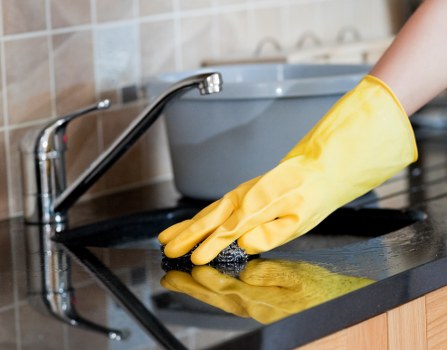 This Health and Safety Policy sets out the standards, responsibilities, and working practices followed during oven cleaning in Ealing. The purpose of this policy is to protect clients, staff, and property by reducing risk before, during, and after each cleaning task. It applies to all cleaning activities carried out in domestic and small commercial settings, with a focus on safe preparation, controlled chemical use, and careful working methods. In every case, the aim is to deliver a thorough service while keeping safety at the centre of operations.
We recognise that oven cleaning involves a combination of heat, grease, sharp components, electrical fittings, and chemical products. Because of this, each job is assessed before work begins. Oven cleaning Ealing services must be carried out only when the environment is suitable, the equipment is safe, and the cleaner can work without unnecessary exposure to hazards. Where a risk is identified, the task is paused until the issue has been addressed.
All staff are expected to follow a professional code of conduct that includes wearing suitable protective equipment, using products according to instructions, and maintaining a tidy workspace. Safety is not an optional extra; it is part of the service standard. This policy also supports consistent decision-making, so that every oven cleaning Ealing service is completed with care and accountability.
Before cleaning starts, the oven and surrounding area are inspected for visible damage, loose fittings, unstable shelving, or signs of electrical fault. If the appliance is connected to power, it must be isolated where appropriate and only handled in accordance with safe working practice. Oven cleaner Ealing personnel must never place themselves or others at risk by forcing parts, using damaged tools, or working on equipment that appears unsafe.
All cleaning materials must be selected for the surface and task involved. Chemicals are stored, handled, and applied in line with manufacturer guidance. Only the minimum effective amount should be used, and products must never be mixed unless specifically permitted. Ventilation is essential, particularly when working with degreasers or heavy-duty cleaning agents. If fumes become excessive, work should stop and the area should be aired before continuing.
Personal protective equipment forms a key part of safe practice. Suitable gloves, eye protection, and where needed, aprons or face coverings should be worn when handling oven cleaning products or dismantling removable parts. 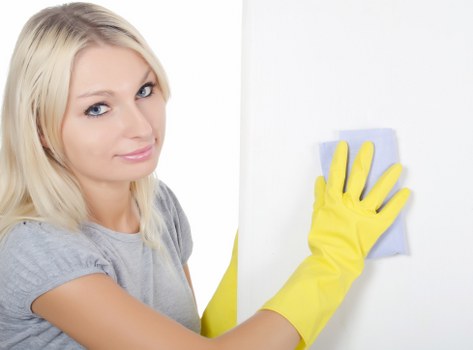 The correct equipment helps reduce the risk of irritation, burns, slips, and contact with sharp edges. Cleaners are also expected to wash hands thoroughly after each task and before eating or drinking.
Good housekeeping is essential during every stage of the job. Floors should be kept clear of tools, packaging, and waste to prevent trips or falls. Spills must be dealt with immediately using appropriate absorbent materials and safe disposal methods. 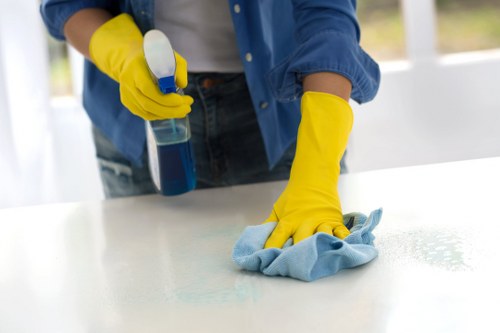 Any detached racks, trays, or panels should be placed in a stable position to avoid breakage or injury. A calm, organised work area supports both efficiency and safety.
Training and supervision are central to maintaining standards. Anyone carrying out oven cleaning in Ealing must understand safe product handling, correct use of equipment, and emergency procedures. Refresher training is provided where needed to maintain awareness of hazards and improve practice. New staff should not work independently until they have demonstrated that they understand the required procedures and can apply them consistently.
Accident prevention also includes attention to manual handling. Ovens, racks, and internal components can be awkward or heavy, so cleaners should assess the weight and shape of each item before lifting. If a part is too heavy or difficult to move safely, assistance or an alternative method should be used. Never rush a lift, and never twist the body while carrying a load. Controlled movement reduces strain and lowers the chance of injury.
In the event of an incident, the immediate priority is to protect people from further harm. First aid should be provided where appropriate, and any chemical exposure, cut, burn, or slip should be reported without delay.  The area should be secured if necessary, and any unsafe product, tool, or appliance should be removed from service until it can be checked. Accurate reporting helps identify patterns and improve future safety measures.
Waste removal is handled in a way that supports hygiene and environmental responsibility. Used cloths, grease residue, and empty product containers must be disposed of in accordance with safe waste procedures. Wherever possible, products with lower environmental impact are preferred, provided they still meet performance and safety requirements. Cleaners should never pour leftover chemicals into drains unless this is clearly allowed by the product instructions and local waste rules.
Clients also play an important role in safe working conditions. Before work begins, they may be asked to remove fragile items, keep children and pets away from the area, and ensure access is clear. This helps create a controlled environment and reduces the chance of accidental contact with tools or cleaning agents. A shared understanding of the work area supports a safer and smoother service.
Monitoring and review are part of the policy’s ongoing commitment to best practice. Procedures should be checked regularly to ensure they remain effective, practical, and suitable for the type of cleaning undertaken. 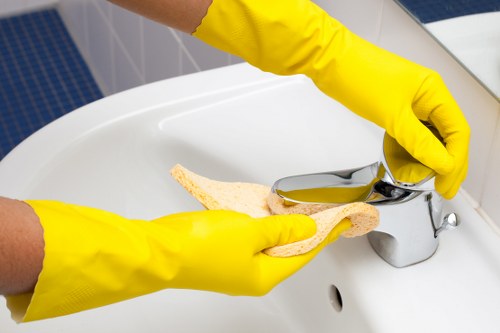 Any change in equipment, product range, or working method should be reviewed before use. Continuous improvement helps maintain high standards across all oven cleaning Ealing operations.
Ultimately, this policy is intended to create a safe, reliable framework for everyone involved. By combining careful preparation, correct equipment, responsible chemical use, and clear communication, oven cleaning can be performed efficiently without compromising wellbeing. Health and safety remain the foundation of every job, ensuring that quality results are achieved in a controlled and professional manner.