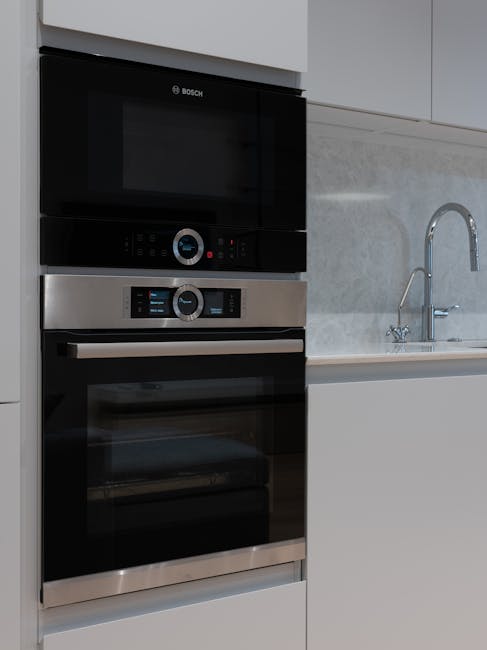
Oven cleaning near Ealing Broadway station W5: a practical local guide for spotless, safer kitchens
If you live, rent, or run a property near Ealing Broadway station in W5, oven cleaning can slip down the list until the grime starts to announce itself every time you switch the grill on. Sticky trays, burnt-on grease, smoky smells, uneven heat, and that slightly embarrassing brown patch on the oven glass tend to build up quietly. Then one day you open the door and think, right, this needs proper attention.
This guide on Oven cleaning near Ealing Broadway station W5 explains what the service involves, when it makes sense, how the process usually works, and what to look for if you want a reliable result without the faff. It also covers safety, best practice, and the sorts of mistakes that often make ovens harder to clean later. Straightforward, useful, and local enough to be relevant if you are just off the station, tucked down a residential street, or managing a flat nearby.
For a broader view of related domestic services, you may also find the site's services overview helpful, especially if you are planning more than one cleaning task at the same time.
Table of contents
- Why oven cleaning near Ealing Broadway station W5 matters
- How the cleaning process works
- Key benefits and practical advantages
- Who this is for and when it makes sense
- Step-by-step guidance
- Expert tips for better results
- Common mistakes to avoid
- Tools, resources and recommendations
- Law, compliance, standards and best practice
- Options, methods and comparison table
- Case study or real-world example
- Practical checklist
- Conclusion
- Frequently asked questions
Why Oven cleaning near Ealing Broadway station W5 Matters
A dirty oven is not just a cosmetic problem. Grease and baked-on residue can smoke, smell, and make the kitchen less pleasant to use. If you cook often, you will notice the difference quickly: food can pick up stale odours, glass doors become cloudy, and shelves start to look permanently tired. Nobody wants a lasagne tasting faintly of last month's roast chicken. Let's face it, that is not the flavour profile anyone is after.
In a busy part of West London like Ealing Broadway, many households balance work, commuting, family life, and the usual everyday chaos. That means the oven often gets cleaned only when it is already in a bad state. Regular cleaning matters because burnt-on grease becomes harder to remove over time, and heavy deposits can interfere with the way heat moves around the oven cavity. You may not need to know the engineering, but you will notice the result: a better-looking oven and a kitchen that feels fresher.
Oven cleaning also matters if you rent out a property or are preparing for a move. End-of-tenancy inspections can get picky, and a neglected oven is one of the quickest ways to create avoidable friction. If you are planning a broader property reset, it can make sense to combine oven work with end of tenancy cleaning in Ealing or one-off cleaning support so the whole place feels properly finished, not half-done.
There is also the plain comfort factor. A clean oven is nicer to use. Open the door and you see shiny metal, clear glass, and racks that do not look like they have survived a minor fire. That matters more than people admit.
How Oven cleaning near Ealing Broadway station W5 Works
Professional oven cleaning is usually more detailed than a quick wipe-down. A proper service normally involves dismantling removable parts, treating grease safely, loosening burnt residue, and then rebuilding the oven carefully once everything is clean and dry. The exact method varies depending on the oven type, the amount of build-up, and whether the appliance is standard domestic size or something a bit more awkward.
Most cleaners work in a sequence rather than trying to scrub everything at once. That is usually the sensible approach. You soften the residue, remove the trays and shelves, clean the interior sections, deal with the glass, and then finish the doors, seals, and exterior. The job can feel slow while it is happening, but that is often a sign it is being done properly.
Some ovens need extra care around fan areas, door seals, and catalytic or self-cleaning surfaces. Those parts are not always suitable for aggressive scrubbing. A careful cleaner will know when to go gently. If something looks fragile, it probably is.
For households that want a fuller reset beyond the oven itself, a deeper kitchen or whole-home clean can be useful. The page on deep cleaning in Ealing is a sensible place to start if you are thinking about the kitchen as part of a larger clean rather than a one-off appliance job.
What a standard visit typically includes
- Inspection of the oven condition and any obvious issues
- Removal of racks, trays, and other detachable parts
- Application of suitable cleaning solutions to loosen grease
- Manual cleaning of the cavity, door, seals, and glass
- Cleaning and drying of removable components
- Reassembly and final wipe-down
That may sound simple on paper. In practice, the tricky part is always the residue you cannot see from the outside.
Key Benefits and Practical Advantages
The most obvious benefit is appearance, but the real value goes beyond looks. A properly cleaned oven is easier to use, easier to maintain, and less likely to produce stubborn smells or smoke when you cook at higher temperatures. If you have ever turned on the oven and been met with that sharp burnt smell, you already know why this matters.
There is also a time-saving angle. Once a deep clean has been done, ongoing cleaning becomes much simpler. Light maintenance wipes are quicker, shelves do not feel permanently sticky, and the oven door stays clearer for longer. Small win, but still a win.
For landlords, letting agents, and tenants, oven cleaning can reduce avoidable disputes. A visibly dirty oven is one of those things people remember. The kitchen might look okay from a distance, but the oven tells the story pretty fast. In a home setting, it just makes the room feel more cared for.
Other practical advantages include:
- Less smoke and unpleasant odour during cooking
- Better visibility through the oven glass
- Improved hygiene around food-contact cooking spaces
- Reduced risk of residue dripping or flaking into dishes
- More confidence when entertaining or hosting family
Expert summary: The best oven clean is not the flashiest one. It is the one that removes hidden residue safely, protects the appliance, and leaves you with a kitchen that is genuinely easier to live with.
Who This Is For and When It Makes Sense
This service makes sense for a lot of people, not just those with an oven that has gone a bit wild. Busy households near Ealing Broadway station often reach a point where the oven has become one of those jobs that is always "for next weekend." Then next weekend comes and goes, which, to be fair, is very London.
You may want oven cleaning if you are:
- A homeowner who cooks regularly and wants the kitchen to stay fresh
- A tenant preparing for inventory, check-out, or a move
- A landlord getting a property ready for new occupants
- A family with frequent roasting, baking, or batch cooking
- Someone who has tried DIY cleaning and made little progress
- A person who wants the oven cleaned without spending an entire afternoon on it
It also makes sense after seasonal cooking bursts. Think winter roasts, Christmas baking, or a summer of frequent grilling and oven use. The build-up tends to sneak up on people. One day the oven is "fine," and the next it looks like it has seen battle.
If your wider home needs attention too, a service such as domestic cleaning in Ealing or house cleaning in Ealing can complement an oven clean nicely. That can be especially useful if the kitchen is part of a bigger push to get the whole place back under control.
Step-by-Step Guidance
If you are thinking about doing part of the work yourself before booking help, or you simply want to understand what a professional should be doing, this step-by-step guide is useful. It keeps expectations realistic and helps you spot whether the job is being handled carefully.
- Assess the condition of the oven. Look at the door glass, shelves, side walls, fan area, grill pan, and seals. Heavy grease or burnt sugar residue usually means a deeper clean is needed.
- Turn the oven off and let it cool fully. This sounds obvious, but people do rush it. A warm oven is awkward at best and unsafe at worst.
- Remove detachable parts. Shelves, trays, racks, and liners should come out where possible. Keep track of what belongs where. Tiny detail, big difference later.
- Apply a suitable cleaning method. This might involve specialist products, gentle degreasers, or soaking removable items separately. The aim is to soften residue rather than grind it away.
- Clean the interior methodically. Work on one section at a time so grease does not spread back over cleaned surfaces.
- Tackle the glass and seals carefully. These areas often collect invisible residue. Use a careful touch rather than heavy pressure.
- Dry everything thoroughly and reassemble. Moisture left inside an oven is not ideal. Final checks matter.
- Test the oven briefly. A short heat cycle can help you check that nothing smells off and that the oven is ready for normal use.
One helpful habit is to wipe small spills soon after cooking, once the oven is cool. It sounds minor, but it stops grime turning into a hardened layer. A couple of minutes here and there saves a lot of effort later. Really, it does.
Expert Tips for Better Results
Good oven cleaning is part technique, part timing, and part restraint. The best results usually come from not attacking the problem too aggressively. Harsh scrubbing can scratch glass, damage coatings, or leave streaks that are harder to remove than the original mark. A little patience goes a long way.
Here are a few practical tips that make a difference:
- Warm residue is easier to loosen than cold, baked-on residue, but the oven should never be dangerously hot.
- Use the right cloths so you are lifting grease instead of smearing it around.
- Clean from top to bottom to avoid dripping mess onto already cleaned surfaces.
- Do not ignore the door seals; they collect grime quietly and can affect how the door closes.
- Make ventilation part of the process, especially if products are being used indoors.
If you are cleaning nearby surfaces at the same time, such as the hob, extractor, or splashback, it helps to work in a planned order. Otherwise you end up chasing grease around the room like a cat with a laser pointer. Not ideal.
Another smart move is to pair oven cleaning with broader seasonal upkeep. If your home is due a fresh start, the page on spring cleaning in Ealing can fit nicely with kitchen maintenance. Same goes if you are simply dealing with a specific mess and want the whole place to feel more settled.
Common Mistakes to Avoid
Most oven cleaning mistakes are understandable. People are usually trying to save time or use what they already have in the cupboard. The issue is that the wrong method can make the job harder, not easier.
Here are the mistakes we see most often:
- Using abrasive pads on glass and leaving fine scratches behind
- Forgetting to protect surrounding surfaces, especially flooring and nearby units
- Mixing too many cleaning products, which can cause unpleasant fumes or unwanted reactions
- Rushing the soak time and scrubbing before residue has properly softened
- Putting wet shelves back too soon, which creates streaking and odour
- Ignoring the seals and frame edges, where grime often hides
A less obvious mistake is over-cleaning fragile components. Some ovens have coatings or parts that should be treated carefully, and if you are unsure, gentle is better than force. You do not get extra points for elbow grease if the finish suffers.
If you are comparing domestic help more generally, a relevant page to look at is one-off cleaning in Ealing, especially if the oven clean is part of a bigger tidy-up after a busy period, guests, or a move.
Tools, Resources and Recommendations
Good results usually come from using appropriate tools rather than fancy ones. You do not need a cupboard full of miracle products. In fact, too many options can make people hesitate, and the job stalls. Simple, careful, and consistent usually wins.
Useful tools and supplies may include:
- Microfibre cloths for lifting grease and polishing glass
- Non-scratch pads for stubborn marks on safe surfaces
- Soft brushes for corners, grills, and awkward edges
- Protective gloves for comfort and skin care
- Suitable degreasing solution chosen for the appliance and surface type
- Old towels or sheets to protect the floor around the oven
If you are organising cleaning across multiple rooms or thinking ahead to a full-home refresh, the wider site resources can help you plan. The page on house cleaning in Ealing is useful for broader domestic upkeep, while office cleaning in Ealing may be relevant for smaller commercial kitchens or staff spaces where ovens are used lightly but still need attention.
It can also help to understand the service provider's approach to trust and safety. Pages such as health and safety policy, insurance and safety, and about us can offer reassurance about the way the work is handled. That sort of detail matters, especially when someone is working inside your home.
Law, Compliance, Standards and Best Practice
Oven cleaning is not usually a highly regulated service in the way some trades are, but good providers still work to sensible standards. That means using products safely, handling client property with care, and avoiding shortcuts that could damage appliances or create unnecessary hazards. In the UK, the practical expectation is straightforward: work safely, communicate clearly, and do not cut corners.
From a home and property perspective, best practice usually includes:
- Using cleaning methods appropriate to the oven type and condition
- Protecting floors, worktops, and nearby fixtures from splashes or drips
- Keeping chemicals away from food-preparation surfaces once the job is complete
- Making sure the appliance is dry and reassembled correctly before use
- Respecting the property and reporting any pre-existing issues noticed during the clean
If you are a tenant, it is sensible to check your tenancy terms and inventory expectations before moving out. If you are a landlord, consistency is key: the same standard should be applied from one property to the next. Nobody enjoys a disagreement over whether an oven counts as "clean enough." It is a very ordinary argument, but still a headache.
For service terms, payment expectations, and practical details, the relevant pages include terms and conditions and payment and security. If you ever need a formal route for feedback or concerns, the site also provides a complaints procedure. That sort of transparency is a good sign, honestly.
There are also wider ethical and accessibility commitments reflected in pages such as accessibility statement, privacy policy, cookie policy, and modern slavery statement. They are not oven-specific, of course, but they do help signal the kind of company people may want inside their home.
Options, Methods and Comparison Table
There are a few different ways to handle oven cleaning, and the best choice depends on time, budget, appliance condition, and how much effort you want to spend. Some people prefer to do the light maintenance themselves and book a deeper service only when necessary. Others want the whole thing handled in one go. Both approaches are fair enough.
| Option | Best for | Pros | Limitations |
|---|---|---|---|
| Light DIY clean | Ovens with mild marks and regular upkeep | Low cost, quick, useful for maintenance | Often not enough for heavy grease or burnt residue |
| Deep DIY clean | People with time and patience | More thorough than a quick wipe-down | Can be messy, time-consuming, and easy to get wrong |
| Professional oven clean | Busy households, end-of-tenancy prep, heavy build-up | More detailed, safer for many situations, better finish | Requires booking and usually costs more than DIY |
| Oven clean as part of a deep clean | Homes needing a full refresh | Good for whole-room consistency and time saving | May be more than you need if the oven is the only issue |
If the oven is the only area bothering you, a focused service may be enough. If the kitchen has lost its shine more generally, a broader package can make more sense. There is no prize for doing this the hard way.
Case Study or Real-World Example
A realistic example: a two-person household near Ealing Broadway station had a built-up fan oven that had not been fully deep-cleaned for quite some time. The door glass had gone cloudy, the racks were sticky, and every roast dinner left a slight burnt smell that lingered into the evening. Nothing dramatic, just annoying enough to be hard to ignore.
Instead of trying to tackle it with one rushed scrub, the cleaner removed the racks, worked through the cavity carefully, and spent extra time on the glass and corners where residue had hardened. The oven did not become brand new, because that is not how real life works, but it did become visibly cleaner, easier to use, and less smelly when heated. The household then kept it manageable with light wipes after cooking.
The useful lesson here is simple: the biggest improvement often comes from addressing the buildup before it becomes a major problem. That first proper clean creates momentum. After that, maintenance feels less like a punishment.
For people in similar situations who want to combine kitchen attention with other surfaces, related services like carpet cleaning in Ealing or upholstery cleaning in Ealing can help bring the whole home back into line, especially after a busy season or a move.
Practical Checklist
Use this checklist before booking or doing the work yourself. It keeps things simple, and simple is underrated.
- Check how dirty the oven really is, not just how it looks from the door
- Identify whether there are fragile, coated, or self-cleaning components
- Decide whether you need light maintenance or a deeper reset
- Make sure the oven is completely cool before any work begins
- Clear nearby worktops and protect the floor around the appliance
- Remove shelves, trays, and loose accessories where possible
- Use suitable tools and avoid abrasive pads on sensitive surfaces
- Allow enough time for soaking and drying
- Reassemble everything carefully before switching the oven back on
- Keep up with small wipes after future cooking sessions
If you are moving home, add the oven to your end-of-tenancy plan early rather than leaving it until the last day. That single decision can save a lot of stress. A lot.
Conclusion
Oven cleaning near Ealing Broadway station W5 is one of those jobs that makes an outsized difference to everyday life. It improves the look of the kitchen, helps keep smells and smoke under control, and makes cooking feel a bit more pleasant again. Whether you need a tidy-up, a deeper clean, or support as part of a wider home refresh, the important thing is to tackle it before buildup becomes a bigger issue.
The best approach is usually the one that fits your space, your time, and the current condition of the oven. If the job is light, regular maintenance might be enough. If the grease has been there long enough to start feeling like part of the appliance, a professional clean is often the easier route. Either way, a clean oven is one of those quiet comforts you notice every time you open the door.
Get a free quote today and see how much you can save.
And once it is done, you will probably wonder why you left it so long. It happens more than you think.
Frequently Asked Questions
How often should an oven be cleaned?
That depends on how often you cook. A regularly used family oven may need a deeper clean every few months, while light-use ovens can go longer. The trick is not to wait until the build-up becomes stubborn.
Is professional oven cleaning worth it for a rental property?
Yes, often it is. In a rental, oven condition can affect inventory checks, deposit discussions, and first impressions for new tenants. A properly cleaned oven makes the property feel more cared for.
Can oven cleaning remove burnt-on grease and smoke marks?
Usually, yes, though results depend on how long the residue has been there and the condition of the appliance. Very old staining may lighten significantly without disappearing completely. That is normal.
Will oven cleaning damage the appliance?
It should not, if it is done carefully and with suitable methods. The risk comes from harsh abrasives, unsuitable products, or rough handling of fragile parts. This is why experience matters.
How long does a typical oven clean take?
It varies with size and condition. A light job may be fairly quick, while a heavily used oven can take much longer because residue needs time to soften. Rushing it is usually a bad idea.
Can the oven be used straight after cleaning?
Usually once it is fully dry and reassembled, yes. A brief test heat is often sensible to check that everything is in order and there is no lingering moisture or cleaning smell.
What parts of the oven are usually cleaned?
Most cleans cover the cavity, door glass, seals, shelves, trays, and removable components. Some ovens have features that need gentler treatment, so the exact approach depends on the model.
Is oven cleaning part of a deep clean or a separate service?
It can be either. Some people book it on its own, while others combine it with broader services such as deep cleaning in Ealing or one-off cleaning in Ealing if the whole home needs attention.
Do I need to prepare the kitchen before the cleaner arrives?
Yes, a little. Clear access to the oven, remove personal items, and make sure pets or children are safely out of the way. A quick tidy-up around the area helps the work go smoothly.
What if I only need help with the oven and not the whole kitchen?
That is very common. Plenty of people want a focused clean for the appliance alone, especially before guests, after a busy cooking period, or before moving out. A targeted visit can be the most efficient option.
How can I keep the oven cleaner for longer after a deep clean?
Wipe spills once the oven is cool, avoid letting trays overflow, and do short maintenance cleans rather than waiting for a heavy build-up. Little habits make a big difference, annoyingly simple but true.
Where can I find more information about the company and its policies?
You can read more through pages such as about us, terms and conditions, privacy policy, and health and safety policy. These pages help set expectations before any work begins.